
- Environmental Conservation ·


Africa is known for its incredible biodiversity & the picturesque backdrop that house its iconic species. However, with forever increasing human populations & anthropogenic pressures on wildlife populations, numbers continent-wide are dwindling. Africa’s species need our protection & local wildlife research organisations are taking big leaps forward in working towards this common goal. Understanding the ecology of species, such as the big 5, to ensure their longevity, is crucial.
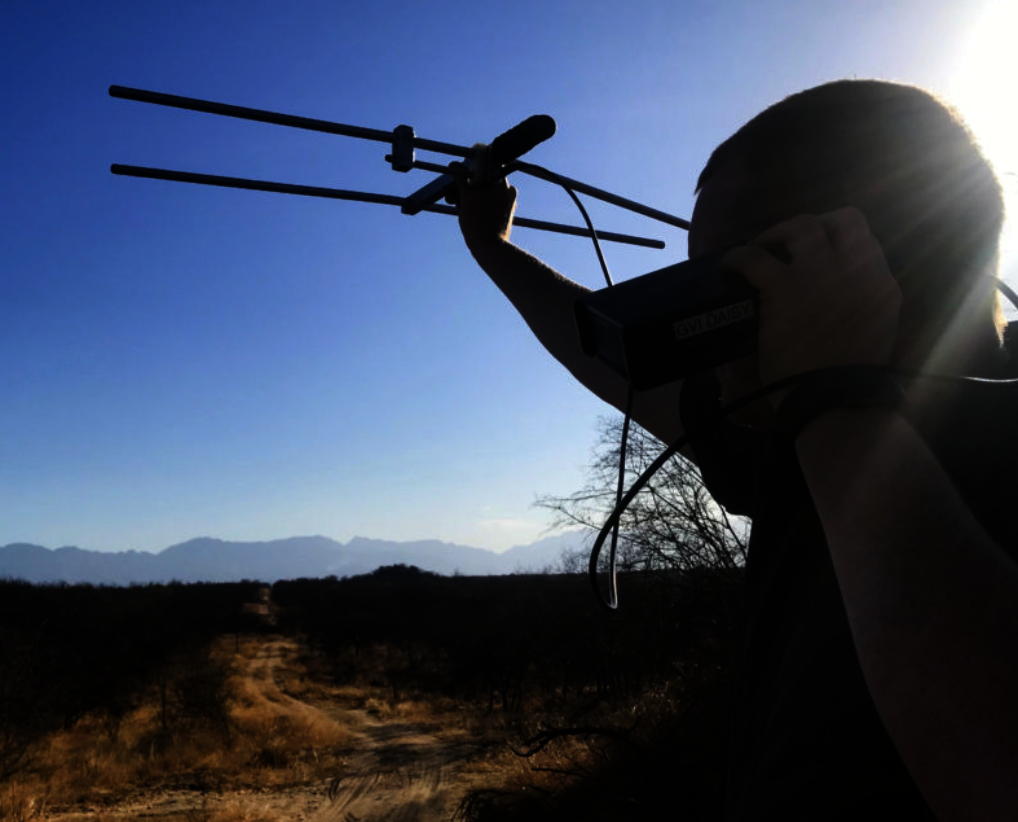
Wildlife conservation is the practice of protecting wild plant and animal species and their habitat. The goal is to ensure that nature will survive the many generations to come so that they may enjoy & recognize the importance of wildlife & wilderness for humans & other species alike. Conservation is a collaborative effort between communities, landowners, policy makers, educators, scientists & so on. This requires a highly skilled research team on the ground daily.
The Big Five refer to African lions, leopards, rhinoceros and Cape buffalo. Although they are very dangerous animals they are not invincible and the African lion, leopard and elephant are all classed as ‘vulnerable’ by the International Union for the Conservation of Nature. The black rhino is ‘critically endangered’ and the White rhino is ‘Near Threatened’. These animals are still hunted and this project aims to work with local and national authorities as well as the local community to preserve and protect the Big Five.
Ongoing support and a provision of funds will enable the hub to purchase scientific equipment, sustain salaries for a skilled research team, maintain a basic base with amenities and upkeep vehicles used in the field daily. This team is then able to carry out vital research on Africa’s iconic Big 5 & a host of other species. Info gathered by this team will be used to make well-informed decisions for the reserve as well as contribute to scientific papers accessible to the greater scientific world.
This project will directly contribute to the conservation of South African wildlife. Research allows us to gain a better understanding of the incredible wildlife with whom we share this planet. It is from here that are able to properly manage and protect these species for generations to come.
By shayle havemann | Project leader
 Today on earth we are facing a mass extinction of our wildlife. Research tells us we loose one species every hour and this is an alarming number. The main reason is the loss of habitats and poaching, two very serious issues that are not easy to solve. We have to stand up and drive change today as tomorrow will be too late for some of these magnificent animals. As well as our anti poaching teams we educate local children to drive awareness and help protect as well as run many smaller high risk and innovative projects to ensure we protect these animals as much as possible. Due to the high risk of poaching we keep our work confidential. We have a long term plan to ensure we protect and save our big 5 and other wildlife essential to their food chain and existence and one day we will increase numbers to ensure they are not facing extinction. A donation of $15 provides food for the anti poaching sniffer dogs. Thanks for your support.
By Tyrone Bennett | CEO of Action Change
To our incredible community of Wildlife Guardians,
I’m reaching out with an update that is truly a testament to the resilience of the animals we work so hard to protect. As we move through our 20th year at Action Change, we are constantly reminded that nature has a way of throwing challenges our way but it also has a way of showing us its incredible strength.
Following on from our update in November, things have been a bit of a whirlwind. Many of you saw the news about the recent devastating floods in the region. It was a challenging and high-stakes time for our teams on the ground as we worked to ensure our wildlife stayed safe during the rising waters. But, in the middle of the stress, we witnessed something absolutely amazing our cats (and even the rhinos!) have adapted in ways that blew us away. We actually saw our big cats learning to swim to navigate the new landscape! It’s been a powerful reminder that these animals are fighters, and they will do whatever it takes to survive if we give them the space and protection to do so.
Now that the waters have receded, the work is more urgent than ever. The floods have shifted boundaries, damaged fences, and changed the movement patterns of the animals, which means our anti-poaching teams and camera trap monitors are working overtime to keep eyes on our high-risk residents.
The world has been a bit “scary and unknown” lately, and we’ve felt that in our fundraising, but seeing these animals adapt and overcome gives us so much hope. Together, we can make sure they have the protection they need to keep thriving, no matter what the weather throws at them.Thank you for being the heart of this project for two decades. We’re back, we’re focused, and with your help, we’re going to make a massive impact in 2026!
By Richard | Conservation Lead
Hello Incredible Supporters!
As the quiet visitor season gives way to the sunny, bustling peak period here in the African bush, I wanted to share an update on the vital work your generosity has funded over the past few months and outline the critical mission ahead. Inspiring the Next Generation of Guardians The ‘quieter’ months for tourists allowed us to massively ramp up our conservation education visits to local schools. And let me tell you, the energy from these children has been truly amazing! We’ve seen young minds light up as they learn about the incredible wildlife right on their doorsteps. Our goal is simple: to inspire local South Africans to see a potential future career in conservation—as rangers, field scientists, or guides—within their own communities. Over the past few quarters, these visits have helped us:Africa is known for its incredible biodiversity & the picturesque backdrop that house its iconic species. However, with forever increasing human populations & anthropogenic pressures on wildlife populations, numbers continent-wide are dwindling. Africa’s species need our protection & local wildlife research organisations are taking big leaps forward in working towards this common goal. Understanding the ecology of species, such as the big 5, to ensure their longevity, is crucial.
Wildlife conservation is the practice of protecting wild plant and animal species and their habitat. The goal is to ensure that nature will survive the many generations to come so that they may enjoy & recognize the importance of wildlife & wilderness for humans & other species alike. Conservation is a collaborative effort between communities, landowners, policy makers, educators, scientists & so on. This requires a highly skilled research team on the ground daily.
The Big Five refer to African lions, leopards, rhinoceros and Cape buffalo. Although they are very dangerous animals they are not invincible and the African lion, leopard and elephant are all classed as ‘vulnerable’ by the International Union for the Conservation of Nature. The black rhino is ‘critically endangered’ and the White rhino is ‘Near Threatened’. These animals are still hunted and this project aims to work with local and national authorities as well as the local community to preserve and protect the Big Five.
Ongoing support and a provision of funds will enable the hub to purchase scientific equipment, sustain salaries for a skilled research team, maintain a basic base with amenities and upkeep vehicles used in the field daily. This team is then able to carry out vital research on Africa’s iconic Big 5 & a host of other species. Info gathered by this team will be used to make well-informed decisions for the reserve as well as contribute to scientific papers accessible to the greater scientific world.
This project will directly contribute to the conservation of South African wildlife. Research allows us to gain a better understanding of the incredible wildlife with whom we share this planet. It is from here that are able to properly manage and protect these species for generations to come.
By shayle havemann | Project leader
Today on earth we are facing a mass extinction of our wildlife. Research tells us we loose one species every hour and this is an alarming number. The main reason is the loss of habitats and poaching, two very serious issues that are not easy to solve. We have to stand up and drive change today as tomorrow will be too late for some of these magnificent animals. As well as our anti poaching teams we educate local children to drive awareness and help protect as well as run many smaller high risk and innovative projects to ensure we protect these animals as much as possible. Due to the high risk of poaching we keep our work confidential. We have a long term plan to ensure we protect and save our big 5 and other wildlife essential to their food chain and existence and one day we will increase numbers to ensure they are not facing extinction. A donation of $15 provides food for the anti poaching sniffer dogs. Thanks for your support.By Tyrone Bennett | CEO of Action Change
To our incredible community of Wildlife Guardians,
I’m reaching out with an update that is truly a testament to the resilience of the animals we work so hard to protect. As we move through our 20th year at Action Change, we are constantly reminded that nature has a way of throwing challenges our way but it also has a way of showing us its incredible strength.
Following on from our update in November, things have been a bit of a whirlwind. Many of you saw the news about the recent devastating floods in the region. It was a challenging and high-stakes time for our teams on the ground as we worked to ensure our wildlife stayed safe during the rising waters. But, in the middle of the stress, we witnessed something absolutely amazing our cats (and even the rhinos!) have adapted in ways that blew us away. We actually saw our big cats learning to swim to navigate the new landscape! It’s been a powerful reminder that these animals are fighters, and they will do whatever it takes to survive if we give them the space and protection to do so.
Now that the waters have receded, the work is more urgent than ever. The floods have shifted boundaries, damaged fences, and changed the movement patterns of the animals, which means our anti-poaching teams and camera trap monitors are working overtime to keep eyes on our high-risk residents.
The world has been a bit “scary and unknown” lately, and we’ve felt that in our fundraising, but seeing these animals adapt and overcome gives us so much hope. Together, we can make sure they have the protection they need to keep thriving, no matter what the weather throws at them.Thank you for being the heart of this project for two decades. We’re back, we’re focused, and with your help, we’re going to make a massive impact in 2026!
By Richard | Conservation Lead
Hello Incredible Supporters!
As the quiet visitor season gives way to the sunny, bustling peak period here in the African bush, I wanted to share an update on the vital work your generosity has funded over the past few months and outline the critical mission ahead. Inspiring the Next Generation of Guardians The ‘quieter’ months for tourists allowed us to massively ramp up our conservation education visits to local schools. And let me tell you, the energy from these children has been truly amazing! We’ve seen young minds light up as they learn about the incredible wildlife right on their doorsteps. Our goal is simple: to inspire local South Africans to see a potential future career in conservation—as rangers, field scientists, or guides—within their own communities. Over the past few quarters, these visits have helped us:

